A small campfire, from permission to cold ashes
The useful fire is the one you can supervise and completely extinguish. Decide whether to have it, stage the small fuel, and reserve water and time for the end before striking a match.
No fire is a valid plan
Check the land manager’s current restrictions and the campground’s rules. An existing ring is not permission to use it. If wind, dry conditions, poor clearance or an inadequate water supply makes the fire unsuitable, skip it.
Check stove restrictions separately too. A fire ban is not automatic permission for every stove. Have a no-cook meal available when conditions rule out combustion.
Decide before lighting
If any answer is no or unknown, do not light yet. Resolve it or skip the fire. Conditions can change after this check. Ticks are not saved by the site.
Use the National Park Service campfire guide alongside the rules for your actual campground.
Prepare the fuel progression
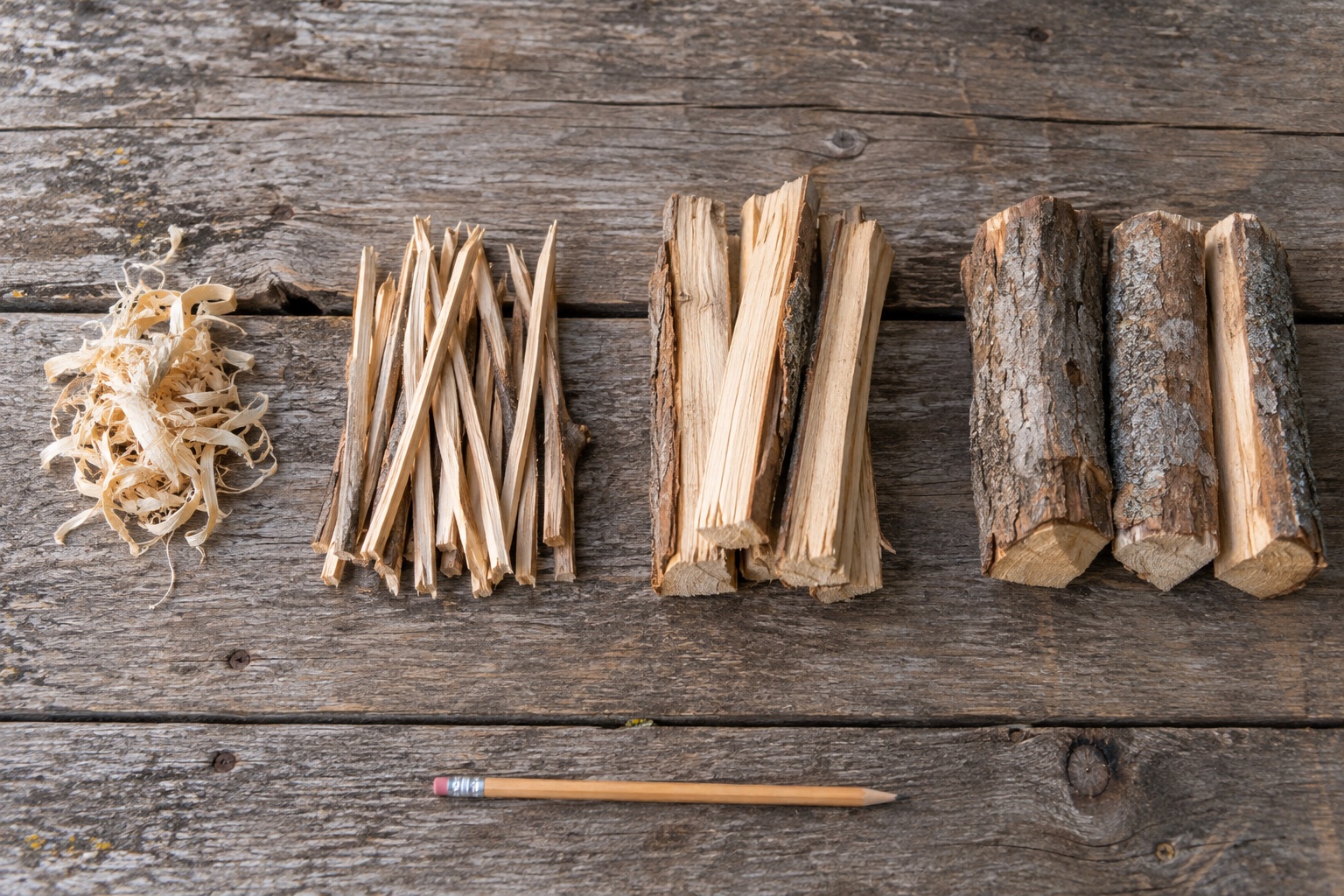
Set out tinder or a suitable commercial starter, small dry kindling, and a few larger pieces. The purpose is continuity: each burning size must be able to ignite the next. A pile of logs beside a tiny starter leaves a gap that another match will not solve.
Buy prepared kindling if you do not have the tools, skill or safe work area to make it. This guide does not teach hatchet swings or batoning. Keep the unused fuel clear of the fire and the walking route; only bring forward what you are about to add.
Start small and watch the response
Arrange a small, loose stack in the permitted ring with room for air around the starter and kindling. Ignite the starter as its instructions direct. Let the smallest pieces establish flame before adding larger fuel. Use no gasoline or other liquid accelerants.
If the starter burns away but the wood does not catch, stop feeding larger pieces. Check for damp fuel or a dense stack. If repeated attempts do not give you a manageable small fire, stop rather than escalating the fuel or flame size.
Keep the fire within the ring and stay with it. If sparks are blowing out or the conditions change, begin extinguishing it. If fire escapes control, move people to safety and report it to emergency services or the land manager; do not treat a spreading fire as a campsite chore.
Finish with cold ashes—not a timer
Stop adding wood well before departure or bedtime. There is no reliable five-minute shutdown rule. Follow Smokey Bear’s campfire shutdown guidance:
- Add water across the fire area, standing clear of steam.
- Stir and turn the remaining wood and coals with a suitable tool so water reaches hidden hot spots.
- Add more water and stir again. No visible flame does not mean no heat.
- Check carefully for remaining warmth without touching hot material. Keep working until the remains are cold; never leave or sleep while heat remains.
Do not bury hot coals and call the job finished. Leave the cold remains as the campground directs and remove your litter. Pack-out is complete only after the fire check, not before it.